

In 2026, event success is measured by more than attendance numbers and post-event surveys. Increasingly, it is also measured by what happens online.
Whether it is a corporate conference, wedding, fundraiser, festival, or product launch, guests are constantly documenting their experiences and sharing them across social platforms. As a result, event planners are placing greater emphasis on creating intentional moments that inspire photos, videos, and social engagement.
The most successful events do not leave these opportunities to chance. They design them into the experience from the beginning.
Here’s why every event needs an Instagram-worthy moment and how thoughtful event design can help maximize its impact.
The New Word-of-Mouth Marketing
For years, word-of-mouth was one of the most valuable forms of event promotion. Today, social sharing has become its digital equivalent.
When guests post photos and videos from an event, they:
Extend the event’s reach beyond attendees
Generate authentic promotion
Increase brand visibility
Create excitement for future events
A single share can introduce hundreds or thousands of people to an event, venue, organization, or brand. That is why many planners now view photo opportunities as a strategic component of the event experience rather than simply a decorative feature.
Branded Installations Create Memorable Visual Anchors
One of the most effective ways to encourage social sharing is through a branded installation. These can take many forms:
Statement walls
Large-scale signage
Custom backdrops
Artistic displays
Product showcases
The key is creating something visually distinctive enough that guests naturally want to photograph it.
For corporate events, branded installations can reinforce key messaging while generating user-generated content that extends the event’s marketing reach. For weddings and social events, installations often serve as focal points that help define the event’s personality and aesthetic.
Interactive Displays Encourage Participation
Static displays can attract attention, but interactive elements often drive greater engagement. Popular examples include:
Digital message walls
Interactive art installations
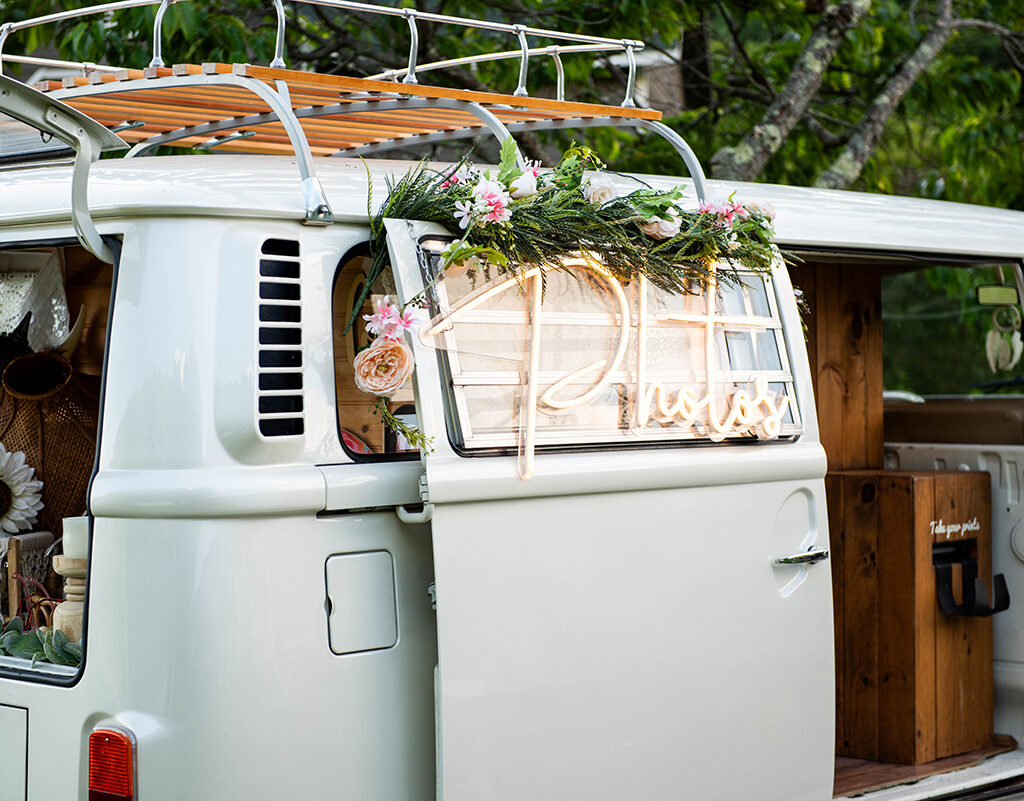
Photo booths with custom props
Live creation stations
Immersive themed environments
These experiences encourage guests to become active participants rather than passive observers. The more involved guests are, the more likely they are to share the experience online.
Strategic Layout Placement Matters
Even the most impressive photo opportunity can underperform if it is poorly positioned. Location plays a major role in visibility and usage.
Consider placing photo moments:
Near entrances to create immediate impact
Along major circulation routes
Adjacent to networking spaces
Near bars or refreshment stations where guests naturally gather
Close to key activations or entertainment areas
Visibility increases participation. Guests should discover these moments naturally as they move through the event rather than having to search for them.
Create Multiple Content Opportunities
Not every guest wants the same type of photo. Successful experiential event design often includes multiple content-friendly moments throughout the venue. Examples include:
Large statement installations
Smaller branded touchpoints
Unique food and beverage displays
Interactive activity stations
Distinctive lounge environments
This approach encourages guests to capture different aspects of the event rather than crowding around a single photo location.
User-Generated Content Has Lasting Value
One of the biggest benefits of creating social media-friendly event experiences is the content generated by attendees. User-generated content often feels:
More authentic
More trustworthy
More engaging
It can be repurposed for:
Future event promotion
Social media campaigns
Website galleries
Sponsor reporting
Post-event recaps
For brands and organizers, attendees effectively become content creators. The event provides the environment. Guests provide the amplification.
Designing for Sharing Without Feeling Forced
One common mistake is creating photo opportunities that feel overly promotional. Guests generally respond better to experiences that feel:
Natural
Visually interesting
Entertaining
Authentic to the event theme
The best event photo opportunities complement the overall experience rather than interrupt it. When done well, social sharing becomes a natural byproduct of a memorable event.
Balancing Aesthetics and Functionality
Instagram-worthy moments should never come at the expense of event flow. When designing these spaces, planners should consider:
Crowd movement
Queue management
Accessibility
Sightlines
Proximity to other event functions
A successful installation attracts attention without creating bottlenecks or disrupting nearby activities. This balance between engagement and functionality is one of the hallmarks of strong event design.
Final Thoughts
Social sharing continues to influence how events are experienced, remembered, and marketed.
In 2026, creating intentional photo opportunities is no longer a luxury reserved for large-budget productions. It has become an important part of event strategy across weddings, corporate gatherings, fundraisers, conferences, and festivals.
From branded installations and interactive displays to thoughtful placement and user-generated content opportunities, event planners have more ways than ever to create moments guests want to share.
Because in today’s event landscape, one memorable photo can extend an event’s impact far beyond the venue itself