Spatial Storytelling: How to Use Layout to Reinforce Event Themes and Brand Narratives

Discover how planners are using layout to tell brand stories and build immersive, themed events. Learn spatial storytelling principles for modern event design.

In modern event planning, the layout is no longer just a logistical necessity, it’s a communication tool. From the moment guests step into a space, every transition, zone, and design cue is telling a story. Whether you’re producing a branded corporate gala, a nonprofit fundraiser, or a themed product launch, spatial storytelling is how you translate mood and message into movement.
In 2026, forward-thinking planners are aligning event design with narrative structure and floorplans are their medium.

What Is Spatial Storytelling?
At its core, spatial storytelling is about using space, and how guests move through it, to reinforce a theme or communicate a brand’s identity. It’s a technique borrowed from theater, museums, and immersive art installations. In events, it means:
● Dividing the venue into experiential chapters or zones
● Using décor, lighting, and staging to set tone shifts
● Guiding guests through an intentional emotional arc
This strategy makes events more than just sequences of presentations or meals. It turns them into immersive narratives.

Why This Matters for Planners and Brands
Events are one of the few brand experiences where you can control all five senses at once.
When layout supports the story you’re telling, guests don’t just understand the brand, they feel it.
A few outcomes of narrative-driven layouts:
● Increased guest engagement and dwell time
● More memorable experiences (key for marketing and loyalty)
● Easier communication of complex ideas or values
● Clearer calls-to-action (whether donations, product demos, or partnerships)
From a design standpoint, storytelling makes decisions easier: once you define your narrative arc, layout choices start to serve that progression.

Principles of Layout-Based Storytelling
Whether you’re working in a ballroom, outdoor venue, or conference center, these storytelling concepts can be applied to elevate your layout.

1. The Entrance = The Hook
Just like the first scene of a movie, your entry point sets the tone. Consider:
● A themed tunnel or archway to signal immersion
● Lighting or soundscapes that preview what’s ahead
● Visual reveals that prompt curiosity
This moment is critical for brand activation. Use it to set expectations and grab attention.

2. Zoning for Narrative Beats
Instead of cramming everything into one open space, use zones to mark “chapters” in your event experience:
● Welcome/Arrival → Calm and open
● Main Activation → Energetic, interactive
● Reflection or Lounge → Softer lighting, quieter space
● Exit → Recap, call-to-action, or takeaway moment
Each zone can reflect a different brand value or theme component.

3. Transitions Carry the Story Forward
Don’t neglect what happens between zones. Transitions help move your story along and keep guests engaged. Try:
● Interactive moments in corridors (photo ops, branded quotes, QR stations)
● Mood shifts using lighting, scent, or music
● Physical barriers like curtains, arches, or partitioned hallways
These design details turn necessary walkways into part of the narrative.

4. Installations as Symbolic Anchors
Brand storytelling thrives on symbolism. Use layout to showcase:
● Signature products
● Core values (visualized as installations)
● Key milestones or impact metrics (for nonprofits or legacy brands)
These can be placed in high-traffic spots or treated as focal destinations.

5. Guest Flow = Emotional Arc
Think of the guest experience as a journey with highs and lows:
● Begin with intrigue
● Build momentum with activities or networking
● Slow things down with food, drink, or lounge areas
● Close with a peak moment: a speech, performance, or visual climax
Let your layout mirror that arc to maximize emotional engagement.

Use Case Examples

Corporate Brand Launch
● Entry: LED tunnel with brand teaser content
● Zone 1: Product showcase with live demos
● Zone 2: Panel stage with seating arranged to echo brand iconography
● Transition: Interactive photo moment aligned with campaign tagline
● Exit: Gift wall with personalized items and branded messaging

Immersive Nonprofit Gala
● Entry: Tunnel of donor stories with ambient sound
● Dining Zone: Table zones themed by mission areas (health, housing, education)
● Lounge: Quiet space for testimonials on looping video walls
● Exit: Call-to-action station with pledge kiosks and QR links

Themed Private Party
● Entry: Vintage doorway with greeters in costume
● Dance Floor: Centered to encourage social movement
● Food Stations: Styled as “chapters” (cocktail hour, main, dessert)
● Transition: Hallway with scent diffusers and old photographs
● Exit: Nostalgic music and party favors to close the narrative loop

Spatial Storytelling Adds Depth Without Complexity
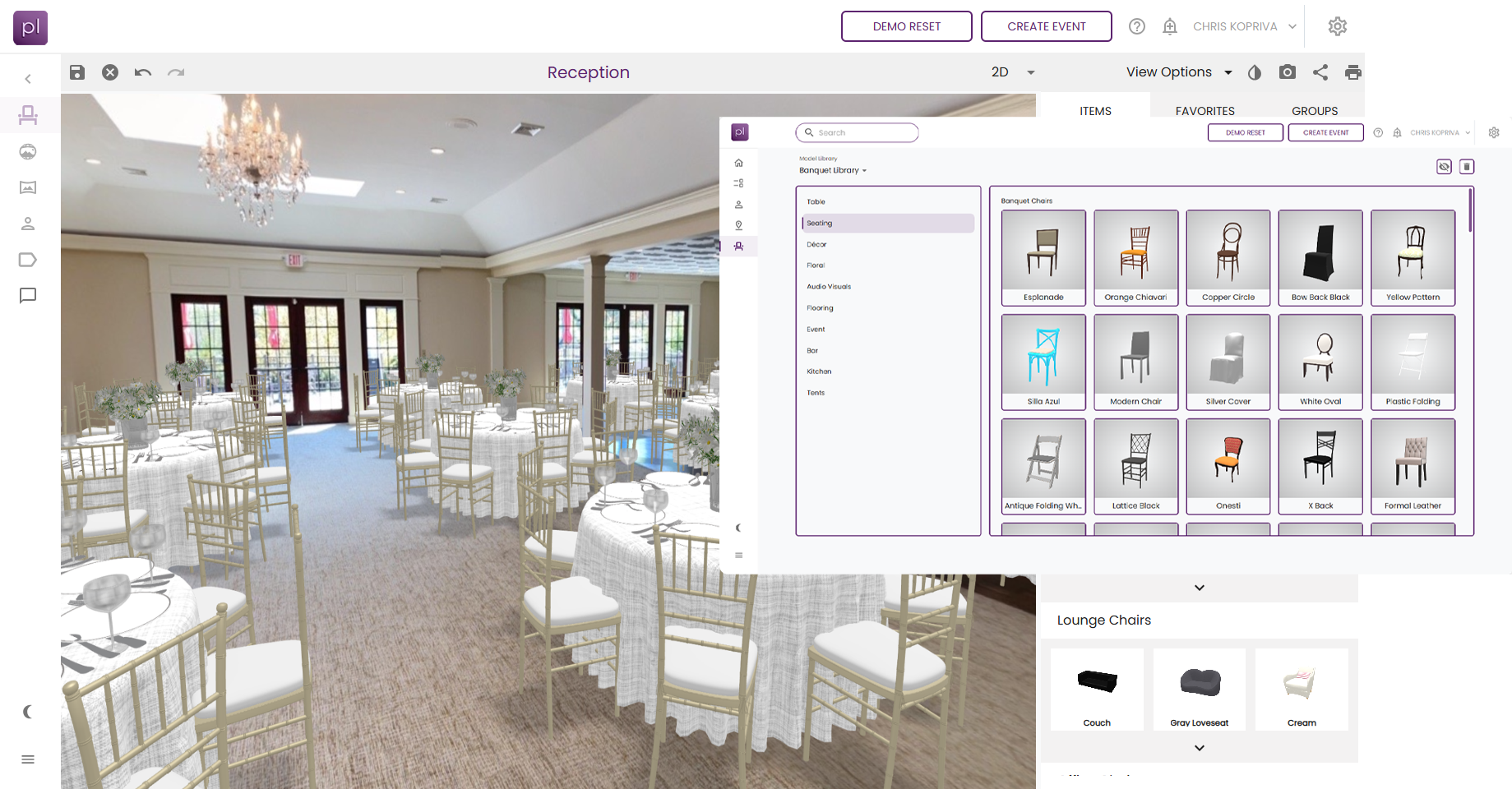
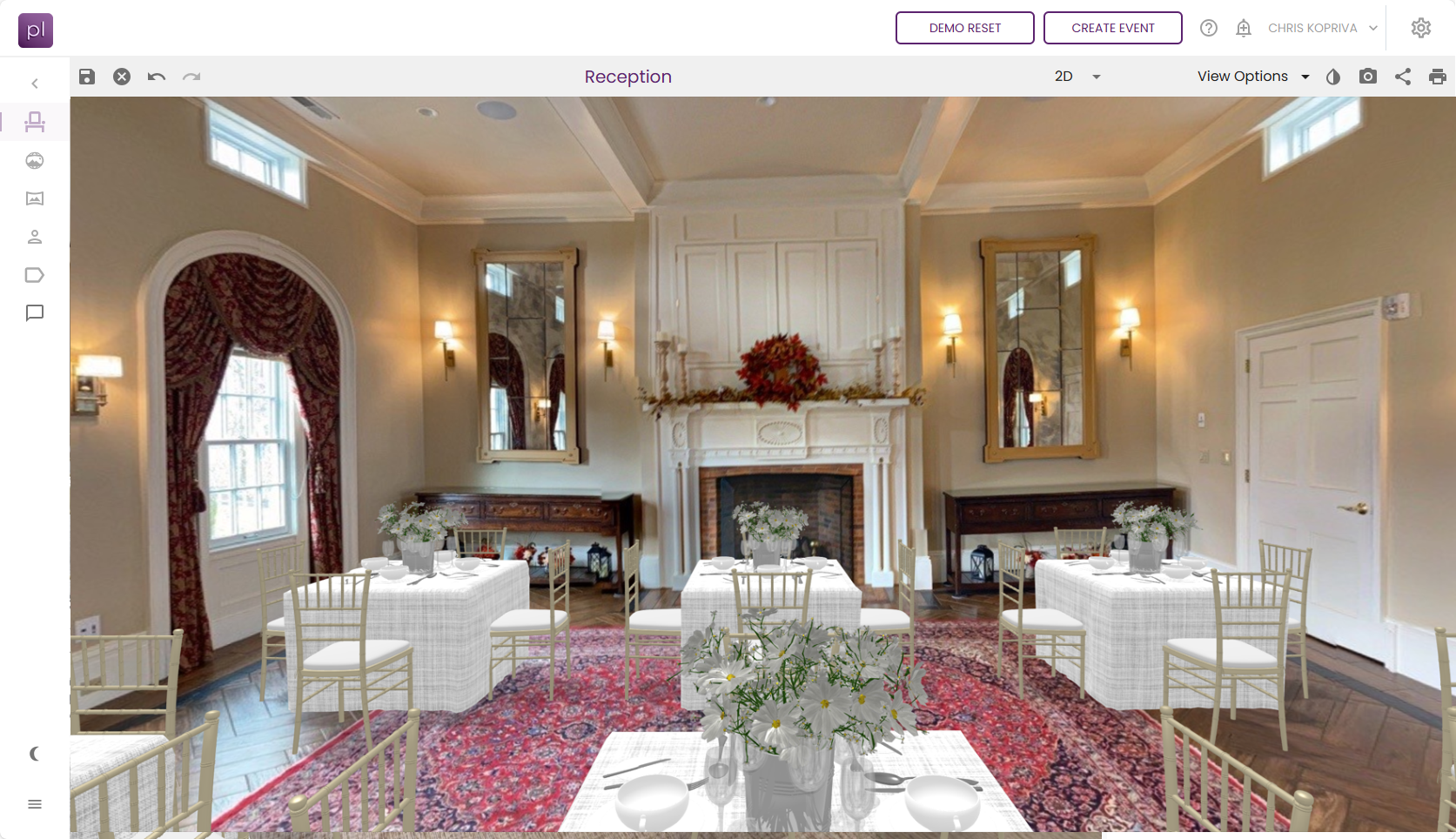
This approach doesn’t have to be expensive or overly elaborate. Even basic venues can be transformed with thoughtful zoning and intentional sequencing. With digital diagramming tools, planners can experiment with these ideas visually long before setup: aligning stakeholders, testing flow, and maximizing creative clarity.
And in an age where attention spans are short and experiences are currency, designing with narrative in mind is no longer optional. It’s strategic.